
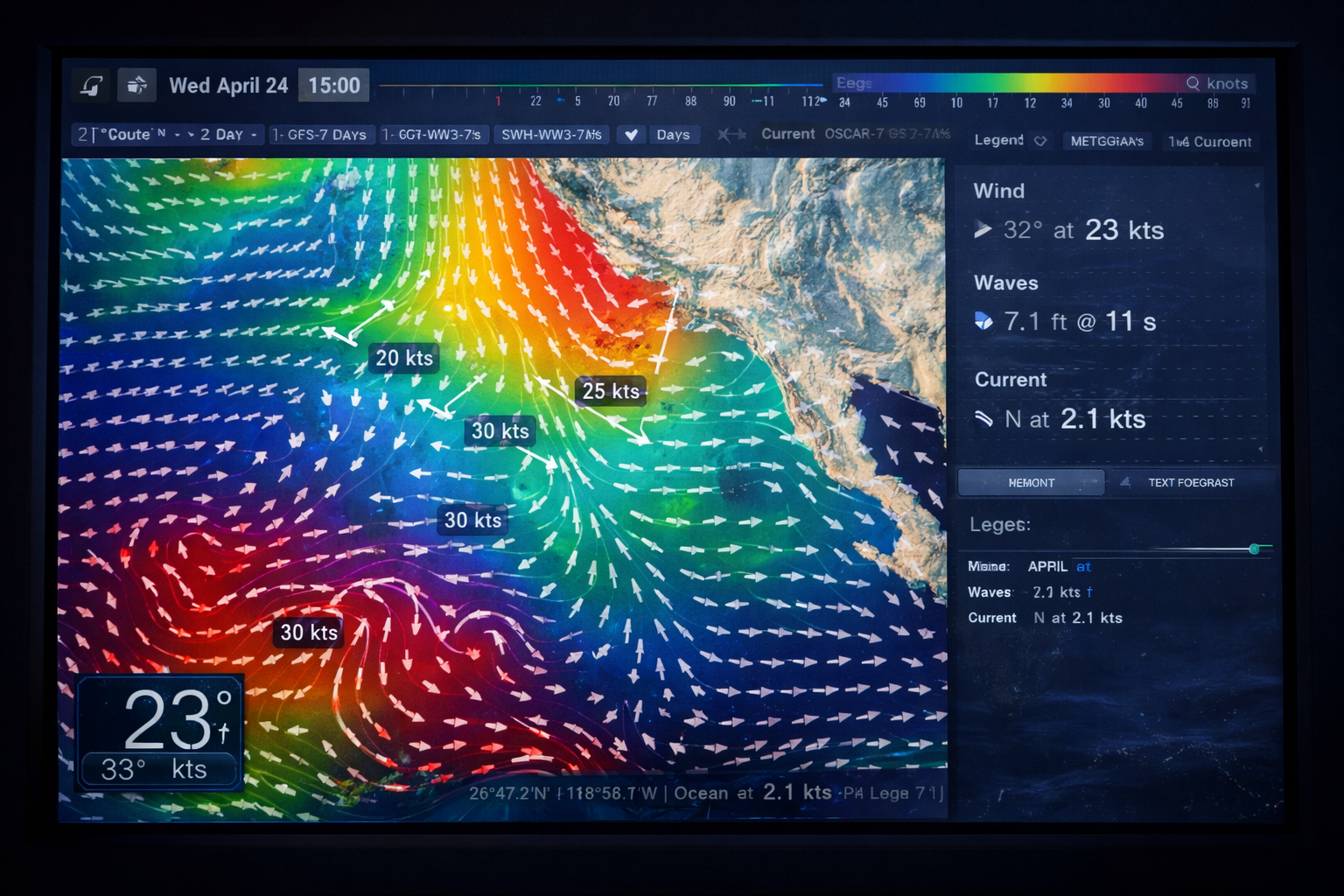
Wind & Current
Learning What You Can’t Control—and How to Respond Wisely
One of the first lessons sailing teaches—often the hard way—is this:
You don’t control the wind. You don’t control the current.
No amount of effort, frustration, or willpower will change that.
What you do control is how you respond. That distinction matters at sea. It matters even more in life.
Energy Spent Fighting What You Can’t Control
I’ve wasted a lot of energy over the years worrying about things I had no control over.
- An unrealistic target handed down from above.
- A board decision I didn’t agree with.
- A top client suddenly moving out of my territory.
- Someone close to me hurting me through their actions.
None of those things were mine to control—yet I let them consume my thoughts, my emotions, and my peace.
If I’m honest, this is still something I struggle with today.
But over time, I’ve become more aware of it. I’ve learned to catch myself sooner—before I spiral into a space that’s unproductive, unhealthy, and ultimately unhelpful.
Sailing gave me language for that awareness.
Wind and Current Aren’t Personal
At sea, the wind isn’t against you. The current isn’t out to get you.
They simply are.
The mistake inexperienced sailors make is taking conditions personally—fighting them as if effort alone will bend reality.
Life has its own winds and currents:
- Organizational politics
- Market shifts
- Other people’s decisions
- Past choices still influencing the present
None of these mean you’re failing. They simply describe the environment you’re navigating.
Sailors Don’t Curse the Wind—They Trim the Sails
Experienced sailors don’t waste time complaining about conditions. They adjust.
They change sail shape. They alter course. They tack when needed. They slow down when necessary.
They focus on what can be controlled.
That mindset has become one of the most important disciplines in my own life—learning to redirect energy away from frustration and toward wise response.
Keeping Your Head When Others Lose Theirs
My oldest son memorized the poem If— by Rudyard Kipling, and one line in particular has stayed with me: “If you can keep your head when all about you Are losing theirs and blaming it on you…”
And the poem ends with:
“Yours is the Earth and everything that’s in it, And—which is more—you’ll be a Man, my son.”
There is a lot of truth in those words.
In a world where outrage is rewarded, where social media thrives on blame and victimhood, and where it’s easy to be swept up in collective frustration—this may be one of the most important lessons of our generation.
Keeping your head isn’t weakness. It’s strength.
Progress Often Comes at an Angle
One of the most counterintuitive lessons in sailing is that when you’re headed into the wind, progress doesn’t happen in a straight line.
- You tack.
- You zigzag.
- You advance at an angle.
From the outside, it can look inefficient. From the inside, it’s the only way forward.
Life is no different. Progress may come through:
- Detours you didn’t plan
- Seasons that feel unfair
- Adjustments that bruise your ego
Forward motion doesn’t always feel direct—but it’s still real.
Leadership Is Response, Not Reaction
Strong leaders aren’t defined by perfect conditions. They’re defined by how they respond when conditions aren’t ideal. They:
- Stay calm when others panic
- Take responsibility instead of assigning blame
- Help others focus on what can be done next
Leadership isn’t pretending the wind doesn’t exist. It’s modeling how to navigate through it.
A Lesson Worth Passing On
Whether as parents, mentors, or leaders, we don’t serve others by promising calm seas. We serve them by teaching:
- How to adjust without quitting
- How to respond without bitterness
- How to stay grounded when emotions run high
Teaching someone to trim sails is far more valuable than teaching them to complain about the wind.
Final Thought: Choose Wisdom Over Wasted Energy
The wind will change. The current will shift. Outside forces will always exist.
The question isn’t whether you face resistance. The question is where you choose to spend your energy.
At sea—and in life—the people who make progress aren’t the ones who fight reality. They’re the ones who learn how to navigate it wisely.